

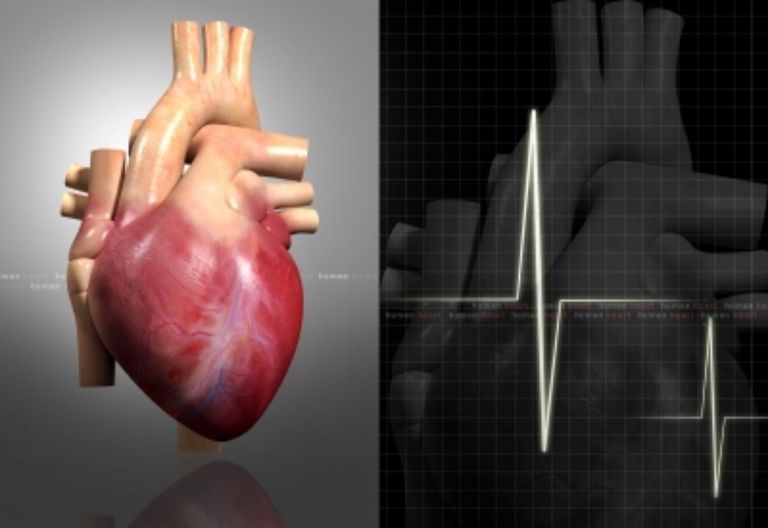
This course deals with and explain the:
* Blood Composition and Functions.
* Hematopoiesis.
* Hemostasis.
*ABO Group System.
*Rh Factor.
* Stem Cells.
* Cardiovascular System.
*Heart and blood vessels.
* Pulmonary Circulation.
* Systemic Circulation.
* Properties of Cardiac Muscles.
* Structure and Functions of respiratory system.
* Ventilation.
* Gas Exchange.
* Gas Transport.
* Lung surfactant.
* Diseases of the Respiratory System.
*Components and Functions of the urinary system.
* Structure and Function of the Nephron.
*Composition Of Urine.
*Urine formation steps.
In addition,
1- Human Physiology seeks to understand the fundamental mechanisms responsible for the diverse functions of the body include the nutrition, digestion, digestive system, the endocrine system and the nervous system.
2-Gain skills of performing analysis of different components.
3- Also acquire an appropriate knowledge on common health and how to avoid some diseases.
* Blood Composition and Functions.
* Hematopoiesis.
* Hemostasis.
*ABO Group System.
*Rh Factor.
* Stem Cells.
* Cardiovascular System.
*Heart and blood vessels.
* Pulmonary Circulation.
* Systemic Circulation.
* Properties of Cardiac Muscles.
* Structure and Functions of respiratory system.
* Ventilation.
* Gas Exchange.
* Gas Transport.
* Lung surfactant.
* Diseases of the Respiratory System.
*Components and Functions of the urinary system.
* Structure and Function of the Nephron.
*Composition Of Urine.
*Urine formation steps.
In addition,
1- Human Physiology seeks to understand the fundamental mechanisms responsible for the diverse functions of the body include the nutrition, digestion, digestive system, the endocrine system and the nervous system.
2-Gain skills of performing analysis of different components.
3- Also acquire an appropriate knowledge on common health and how to avoid some diseases.
- Teacher: عفاف عباس سيد صالح .
- Teacher: نوال زكريا محمود حجاج .
Skill Level: Beginner
- Teacher: رمضان أحمد محمد على .
- Teacher: شيماء محمد عيسى احمد .
- Teacher: نادية حسين محمد سيد .
Skill Level: Beginner
second year students / chemistry-zoology department
Invertebrate 2: an animal lacking a backbone, such as an arthropod, mollusc, annelid, coelenterate, etc. The invertebrates constitute an artificial division of the animal kingdom, comprising 95 per cent of animal species and about thirty different phyla.
- Teacher: نشوة إبراهيم إبراهيم محمد .
- Teacher: ولاء احمد حسين محمد .
Skill Level: Beginner
- Teacher: هبه كمال عبد الموجود عبد الكريم .
Skill Level: Beginner
- Teacher: ماجدة عبد الباسط محمد الخرباوى .
Skill Level: Beginner
- Teacher: نيللي حسين محمود .
Skill Level: Beginner
